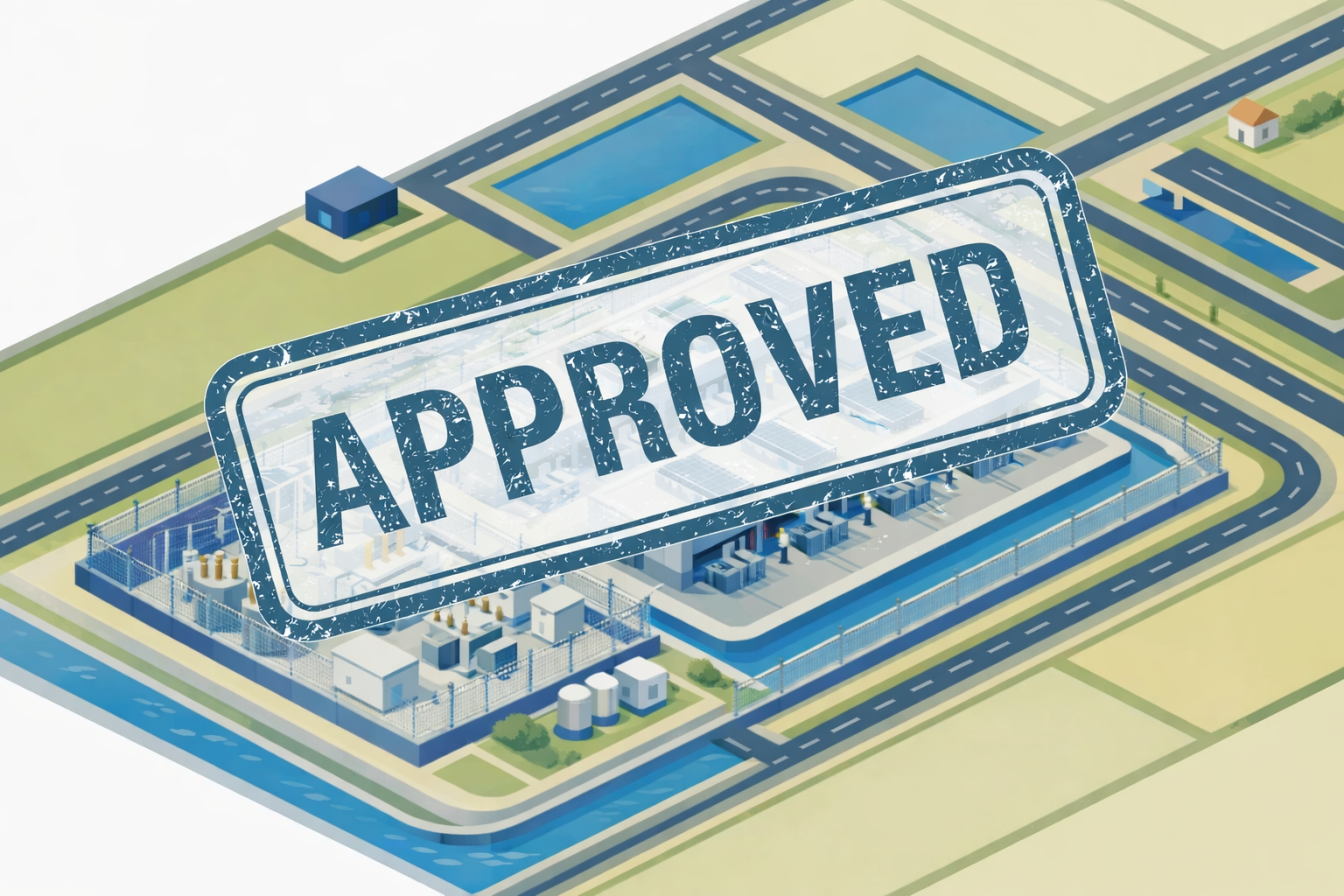
Data Center Testing & Acoustic Modeling

Noise Ordinance Compliance Testing

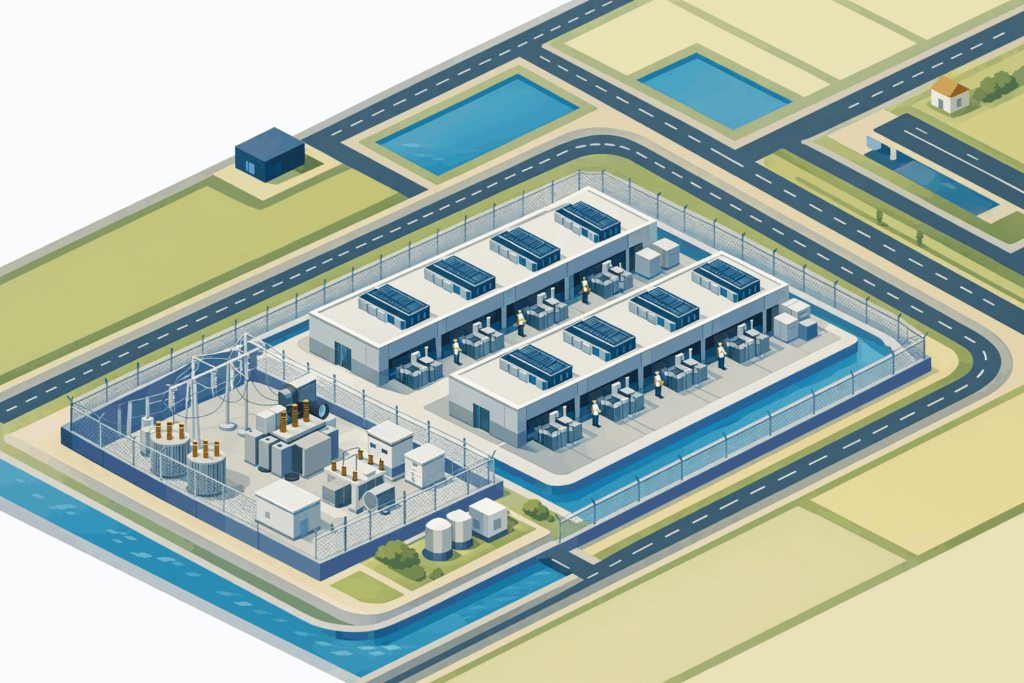
Data center noise is becoming a critical design and permitting consideration as AI-driven infrastructure expands across the United States. Modern data centers require large amounts of mechanical and electrical equipment—including chillers, air handlers, and backup generators—which can generate significant acoustic impacts on surrounding properties.

With data centers increasingly built near residential and mixed-use areas, understanding and controlling noise is essential to securing regulatory approval, gaining community acceptance, and achieving project certainty.
Request a Quote

Data Center Acoustic Modeling Form

Data Center Noise: Managing Community Impact and Permitting Risk

Data center noise is becoming a critical design and permitting consideration as AI-driven infrastructure expands across the United States. Modern data centers require large amounts of mechanical and electrical equipment—including chillers, air handlers, and backup generators—which can generate significant acoustic impacts on surrounding properties.


With data centers increasingly built near residential and mixed-use areas, understanding and controlling noise is essential to securing regulatory approval, gaining community acceptance, and achieving project certainty.
Why Data Center Noise Is a Growing Issue

Data centers are essential to the AI economy, but they are also industrial-scale facilities that operate continuously. Local communities are often unfamiliar with these facilities and may raise concerns about:

- Constant mechanical noise
- Nighttime generator testing
- Low-frequency or tonal noise
- Property value and quality-of-life impacts

Common Data Center Noise Challenges

Developers, architects, and investors frequently encounter:

- Uncertainty around existing ambient noise levels
- Difficulty predicting cumulative noise from multiple systems
- Community opposition during design or permitting
- Risk of non-compliance late in design

Costly retrofits or operational restrictions Addressing data center noise early reduces risk and protects project schedules.

Supporting Data Center Projects Through Approval

As AI infrastructure expands, data center noise compliance is no longer optional—it is a critical part of risk management. Our work helps ensure that:

- Noise does not delay permitting.
- Address community concerns with data
- Design teams avoid late-stage redesigns
- Projects meet regulatory requirements with confidence

With measured data and predictive modeling, we help data center projects move forward smoothly and responsibly.

VEC's Data Center Noise Assessment Process

Leveraging our expertise in high-tech manufacturing facilities, we provide data-driven noise analysis to support data center planning, design, and permitting.

1. Ambient Noise Measurements

We measure the existing background noise at the site, accounting for nearby roads, airports, rail lines, and industrial activity to establish a defensible baseline.

2. Equipment Noise Modeling

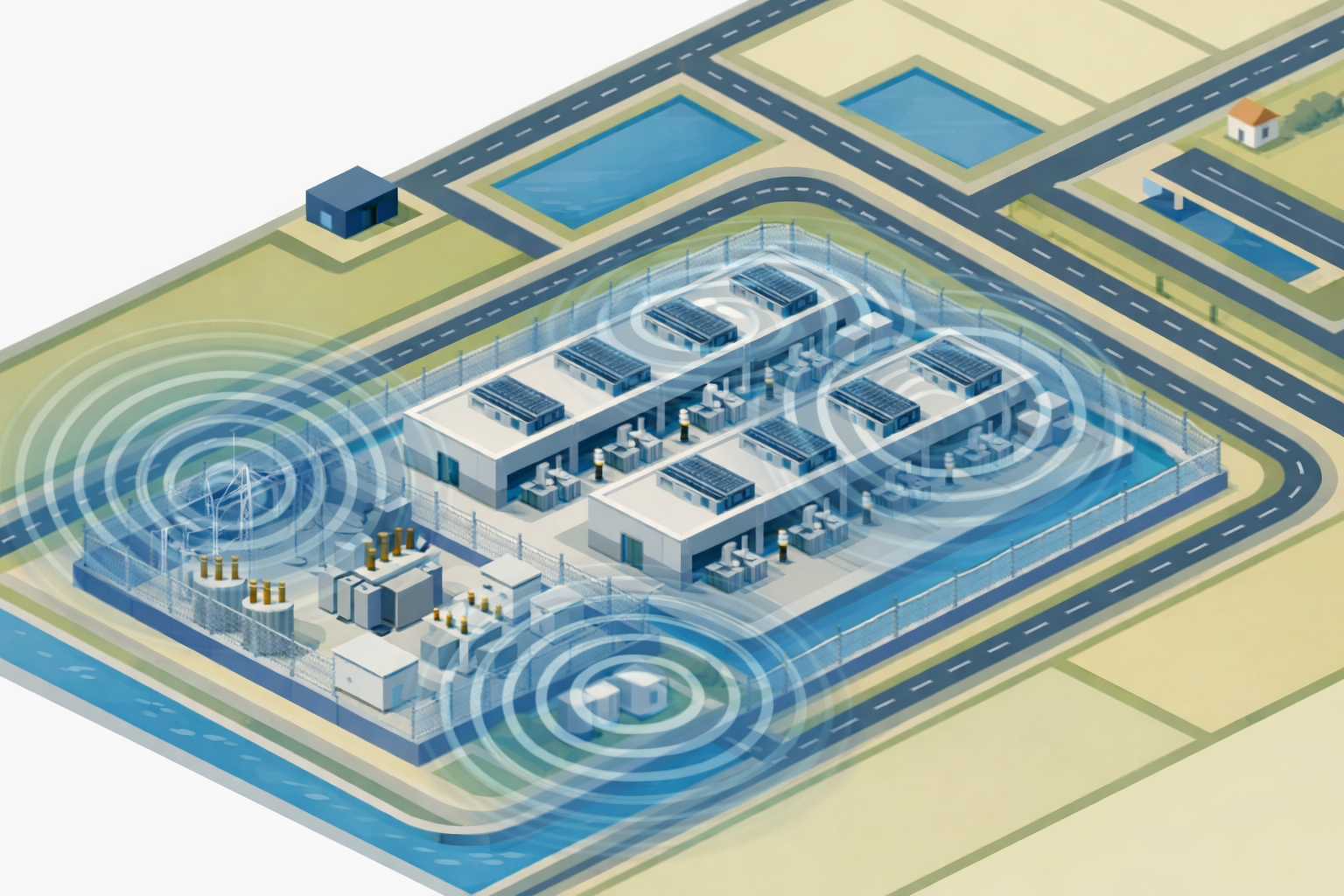
Each central mechanical system is analyzed individually to determine predicted sound levels at the property line, accounting for distance, shielding, and orientation.

3. Cumulative Noise Analysis

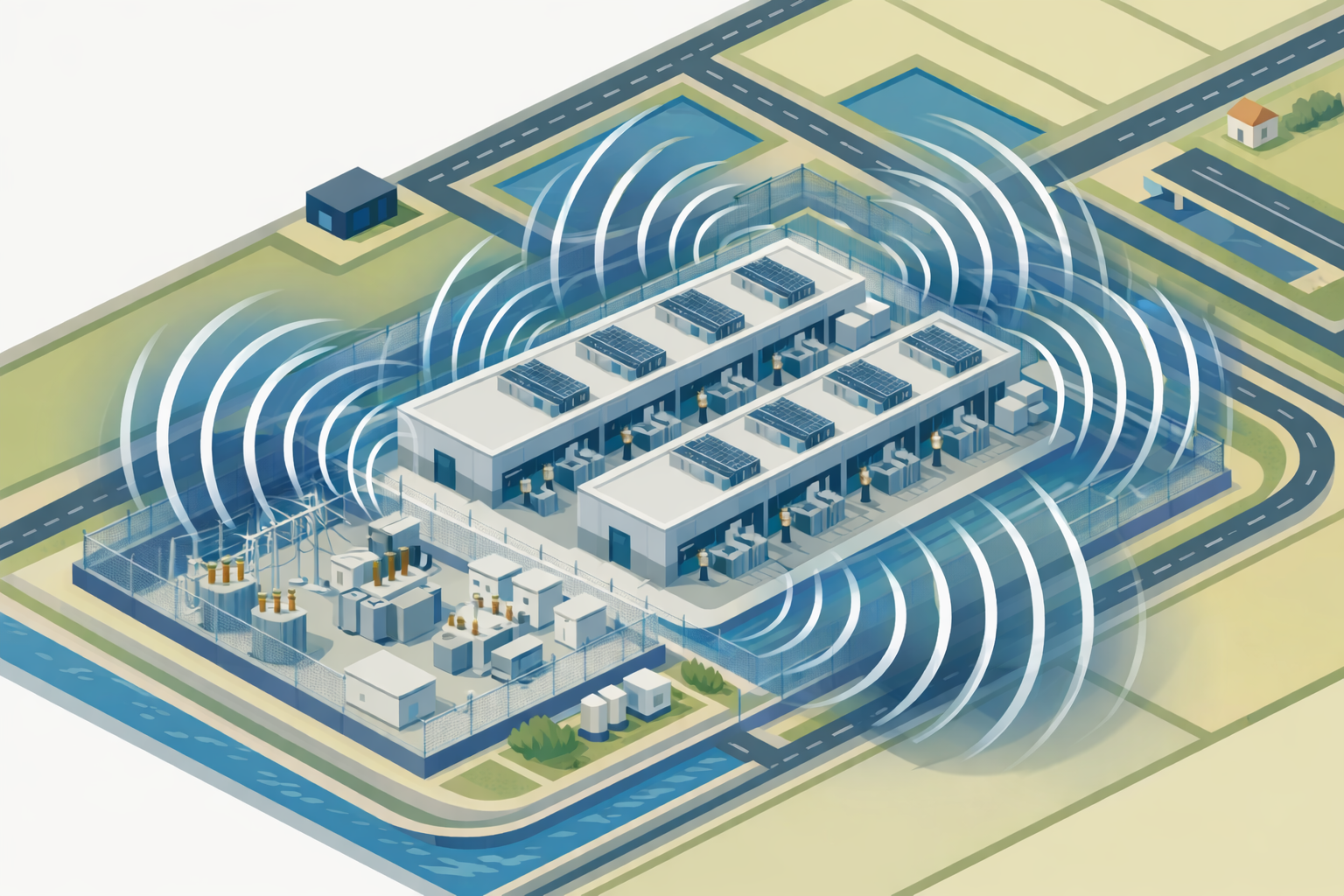
We evaluate the combined noise impact of all equipment operating simultaneously and compare predicted levels against local noise ordinance limits.

4. Noise Mitigation Design

If predicted levels exceed allowable limits, we develop targeted mitigation strategies such as acoustic barriers, enclosures, silencers, or layout modifications.

5. Permitting-Ready Documentation

We deliver a formal data center noise report suitable for submission to local authorities, providing clear evidence of compliance and the effectiveness of mitigation measures.