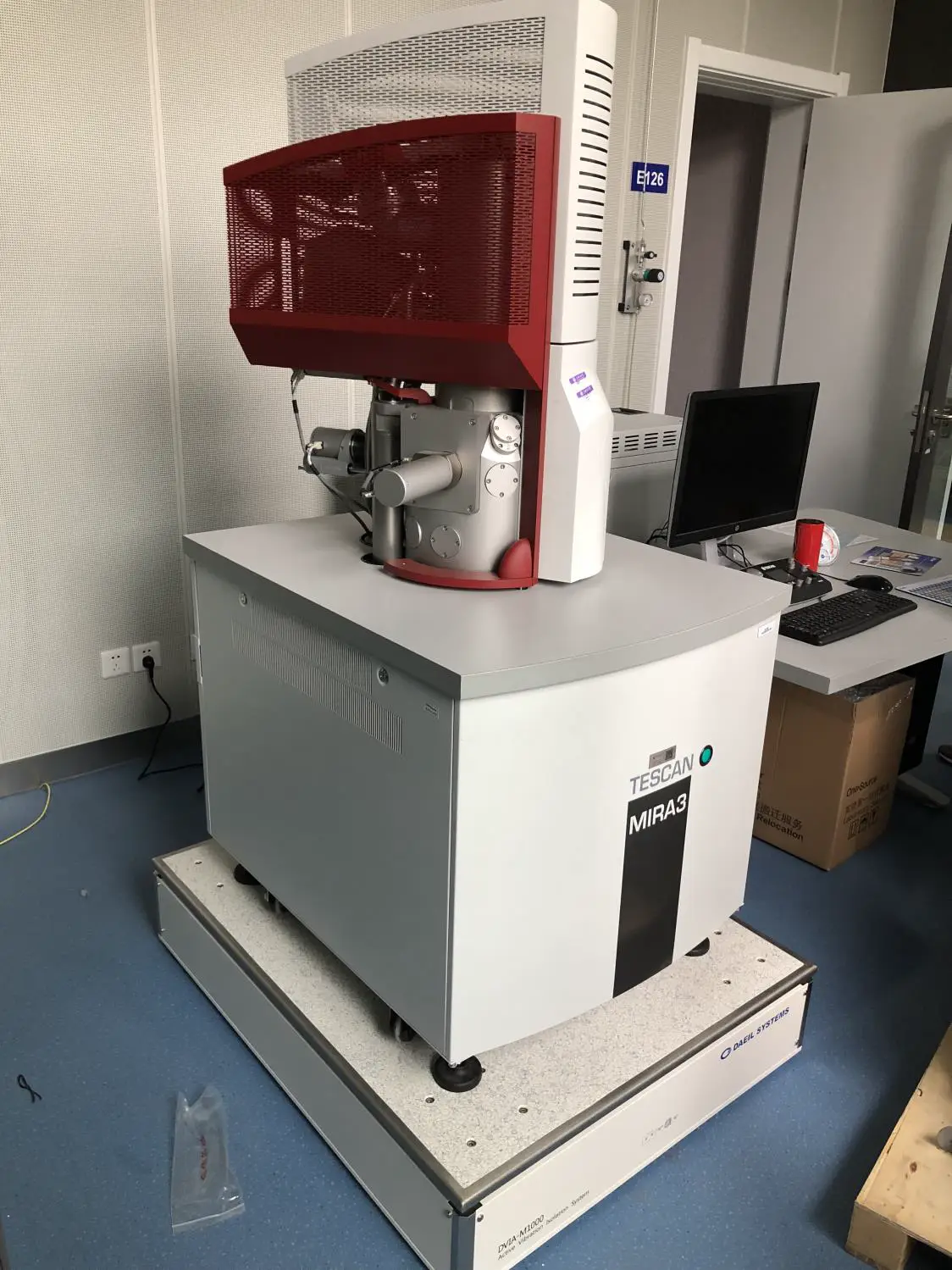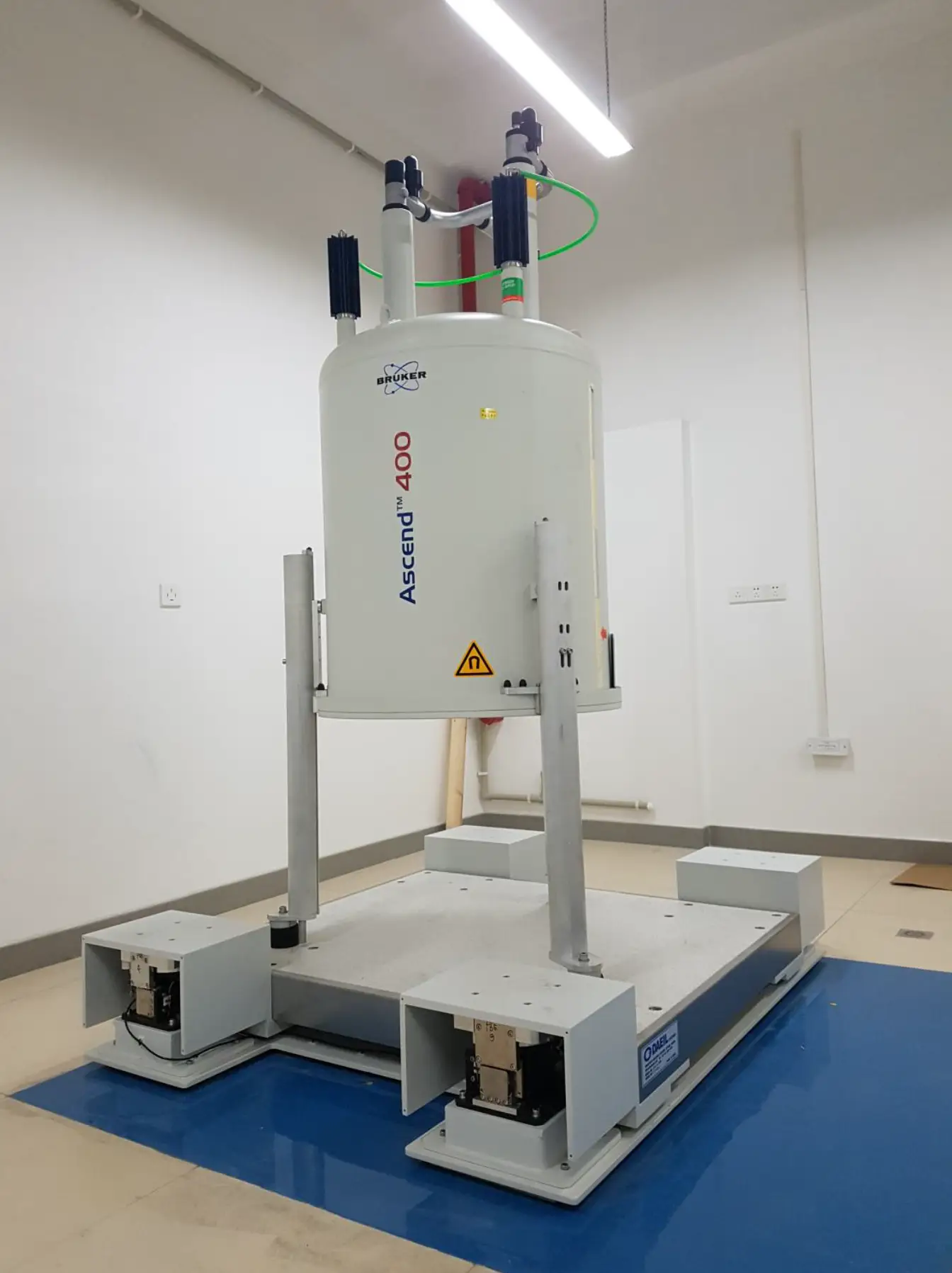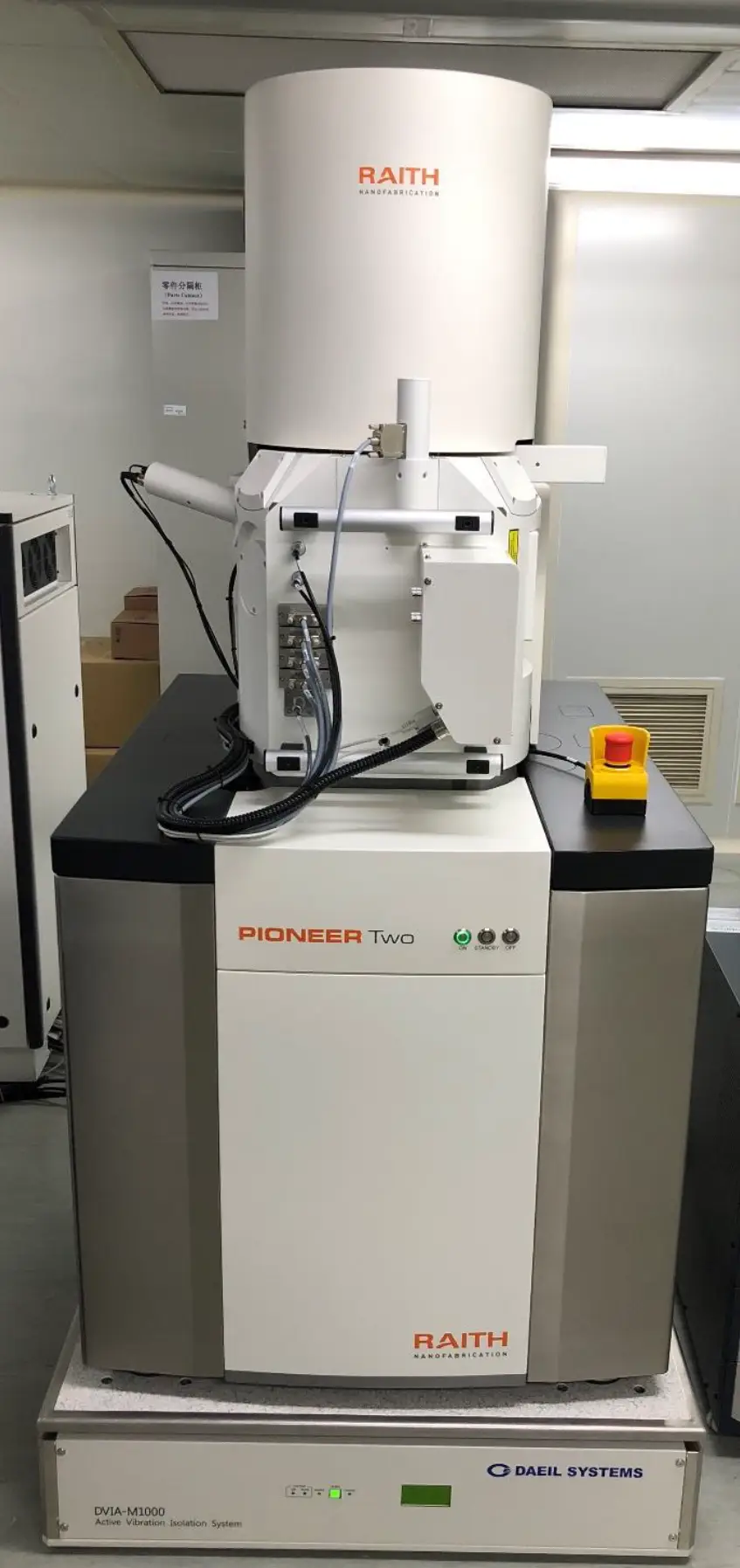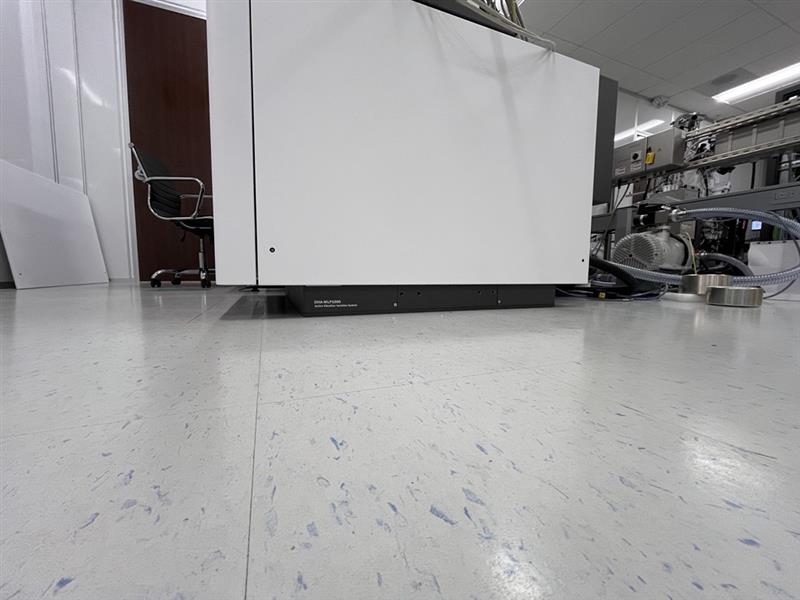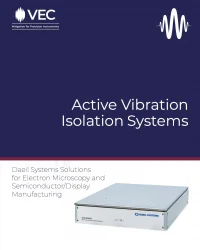
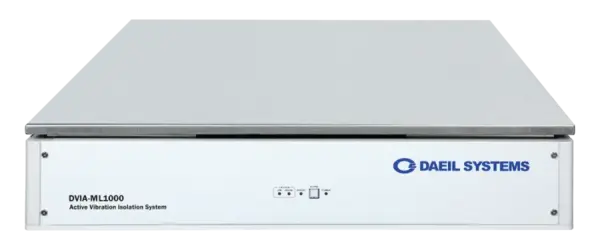
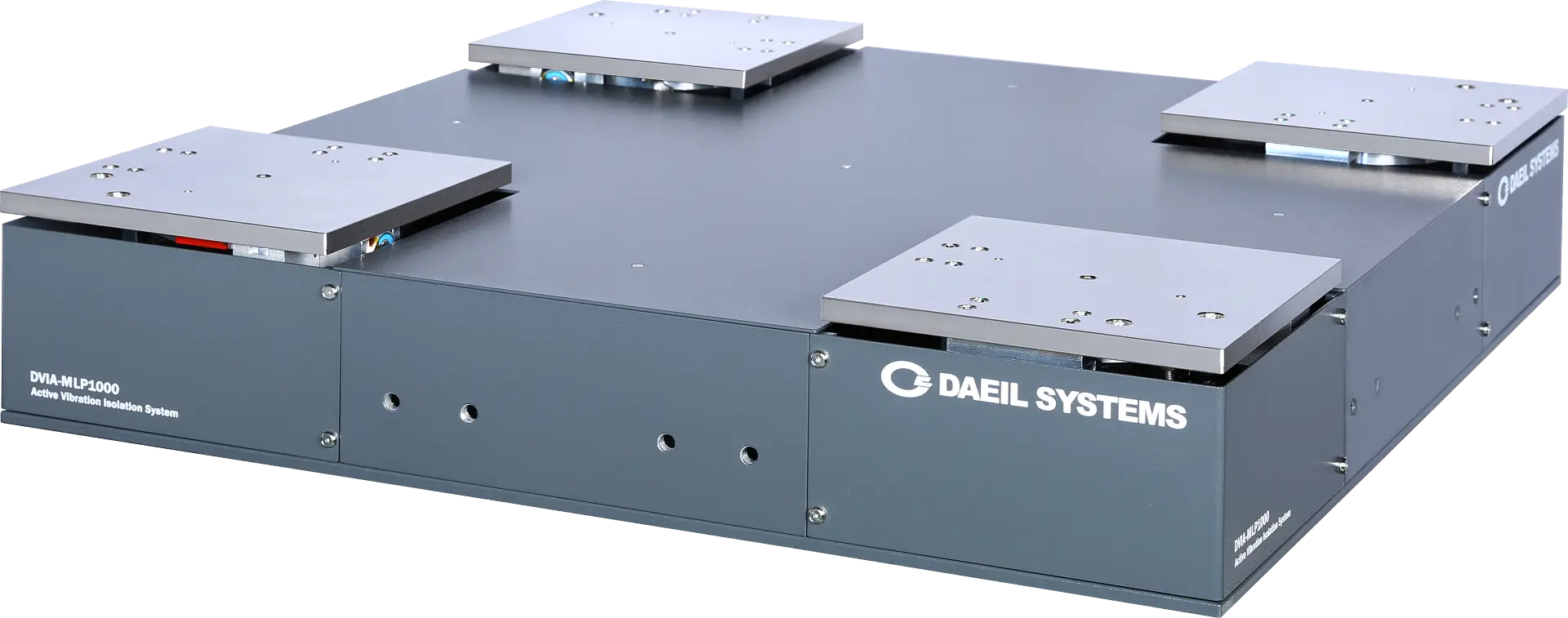
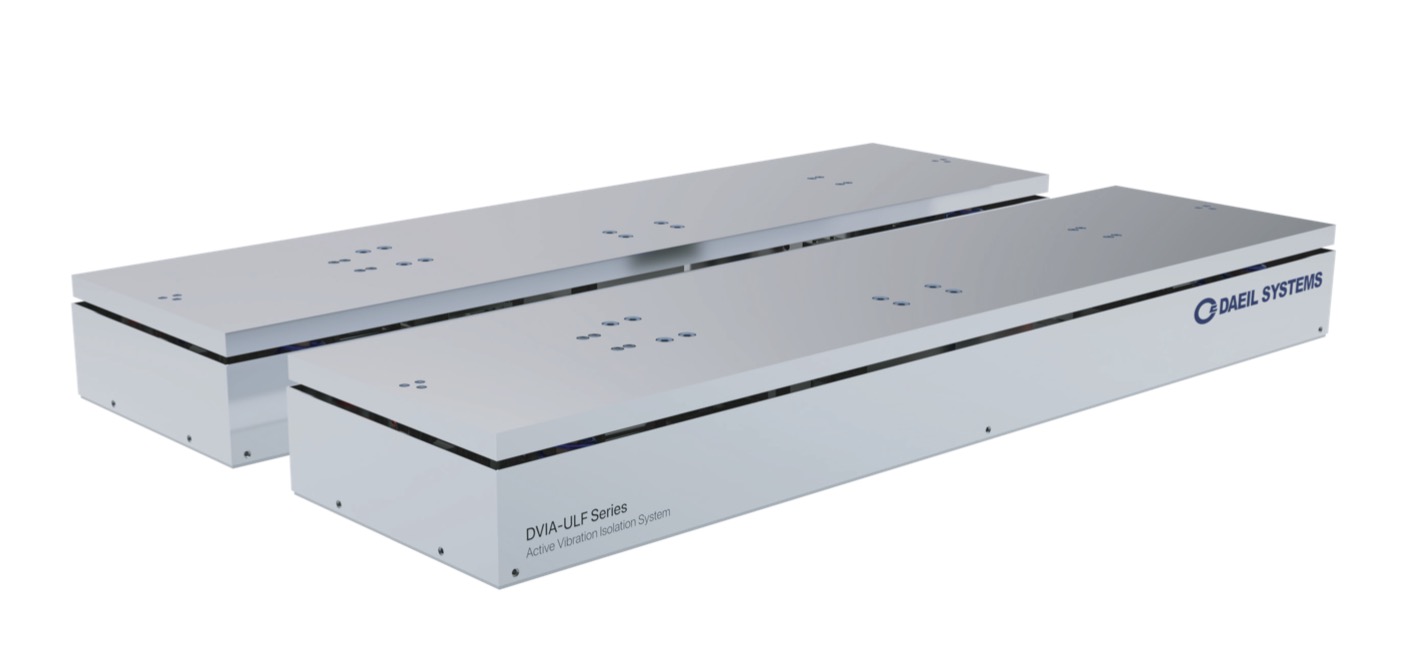
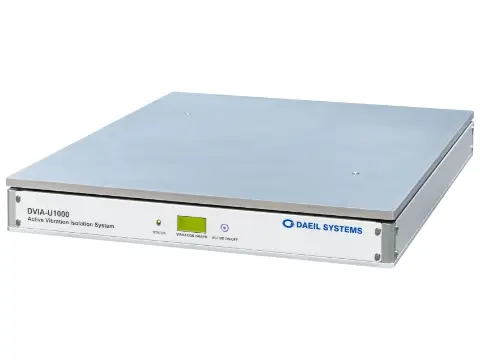
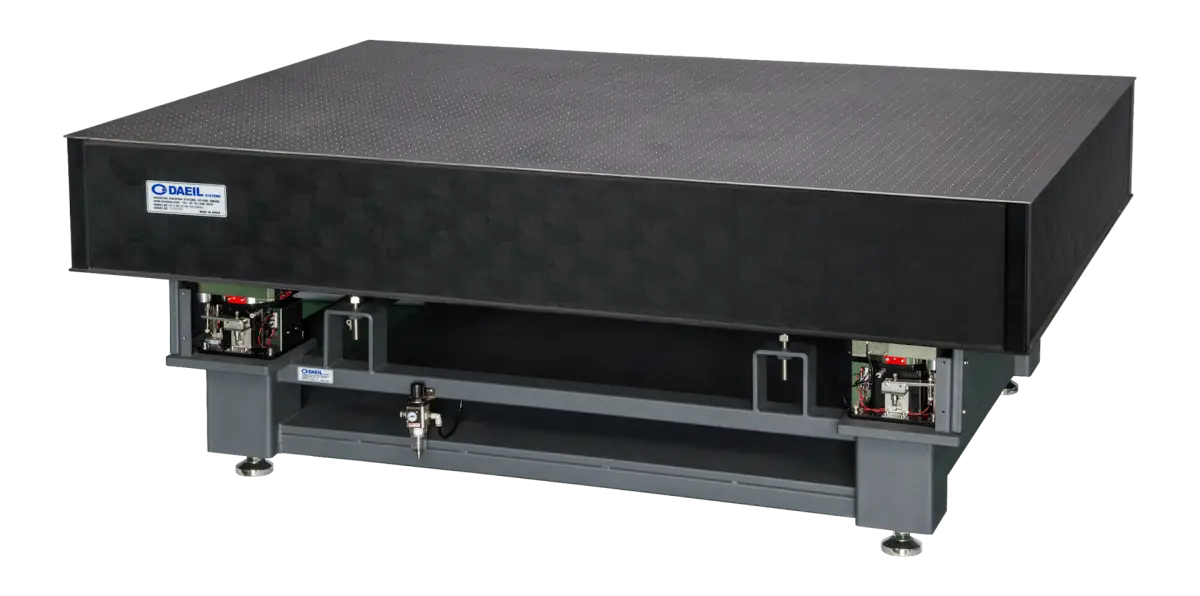
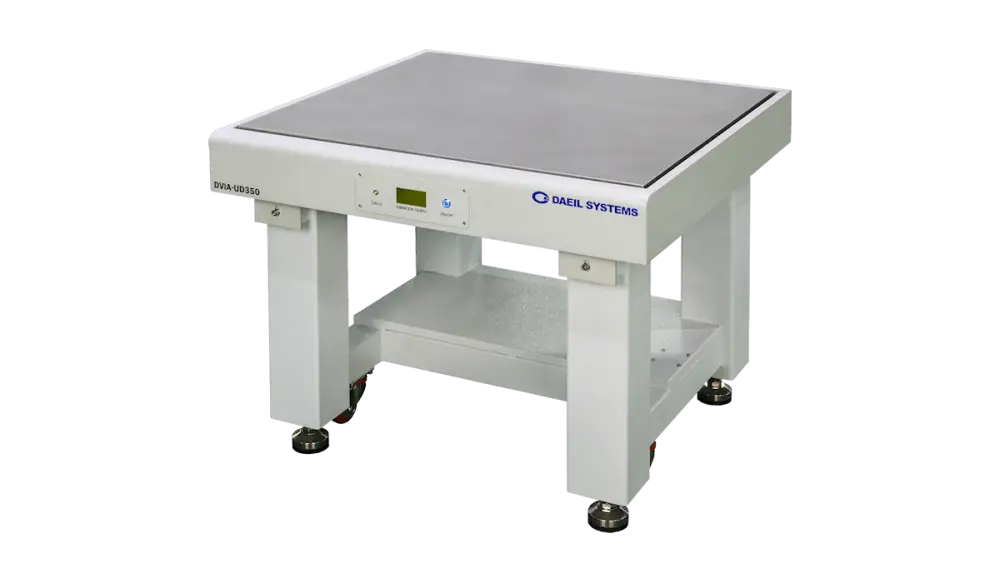
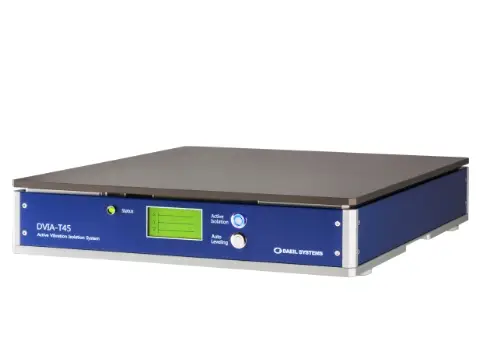
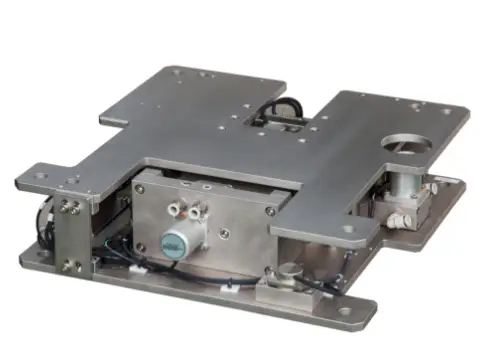

Active Vibration Isolation

Technical Benefits

Customization for Your Tools & Facility

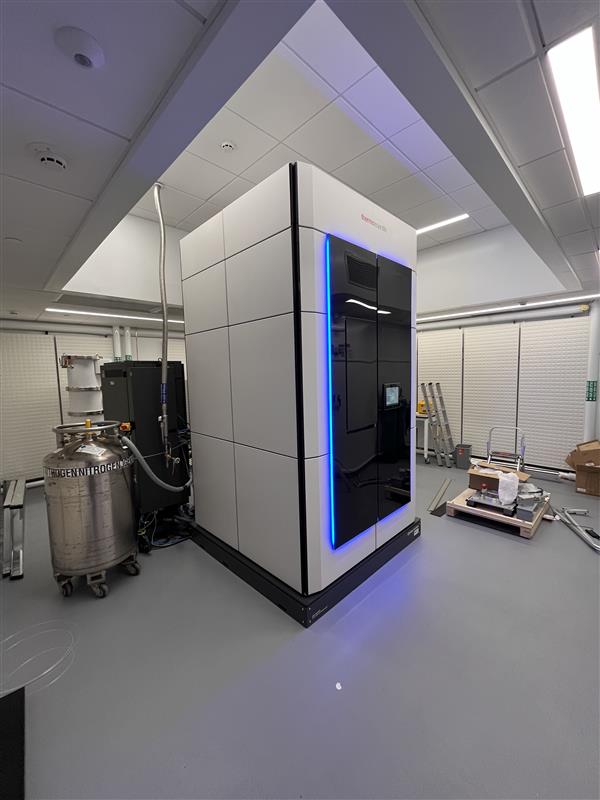
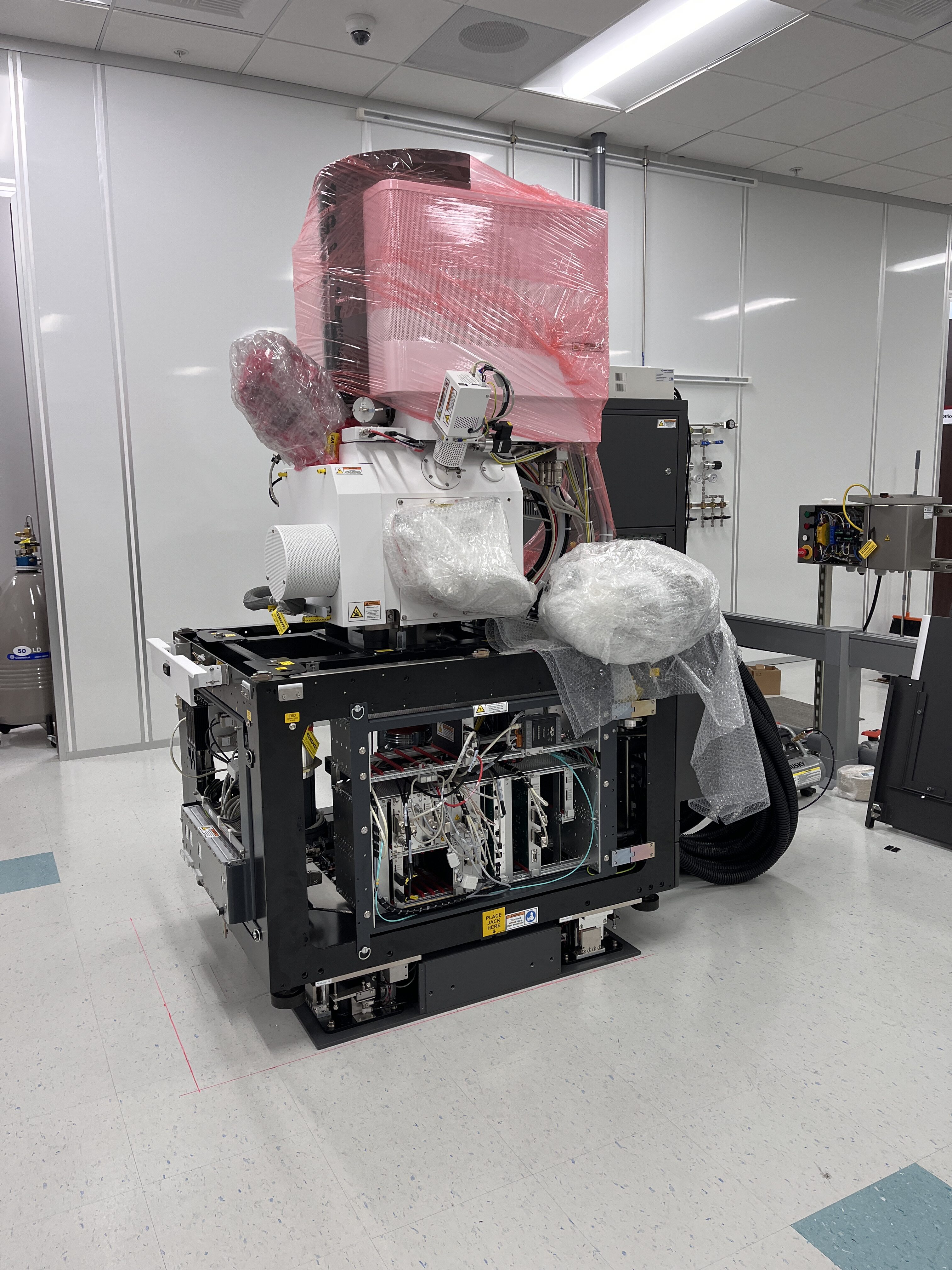
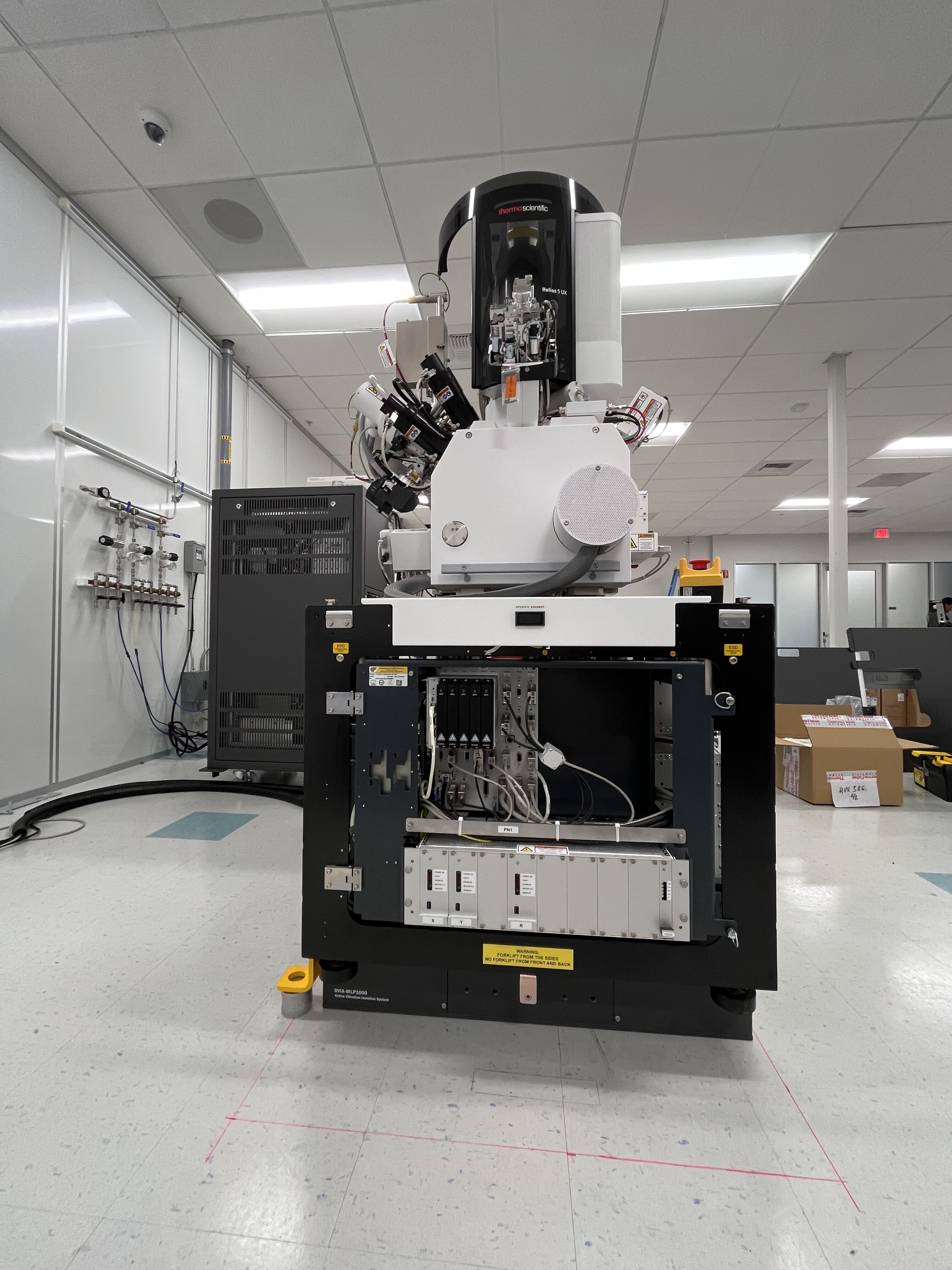
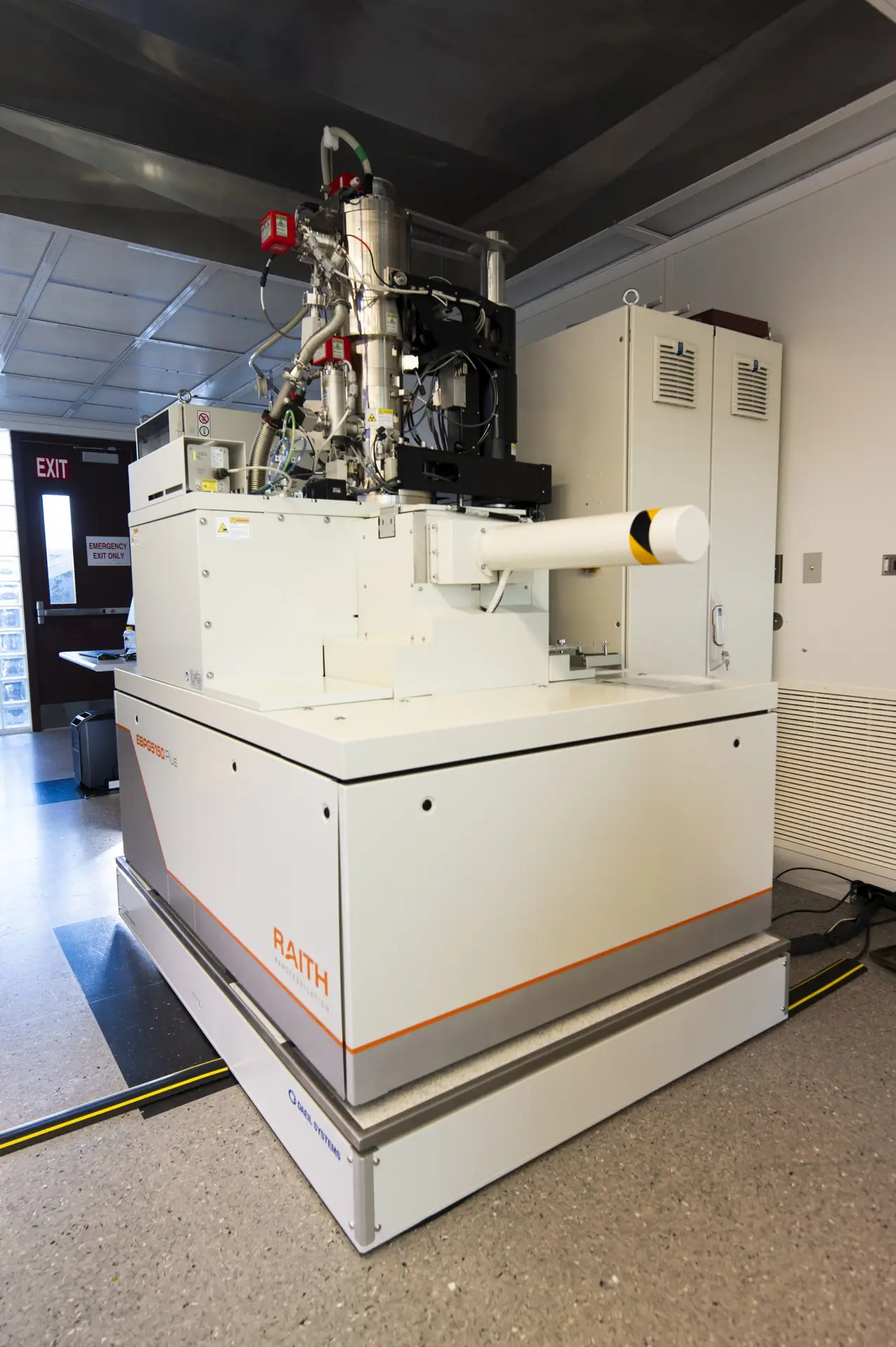
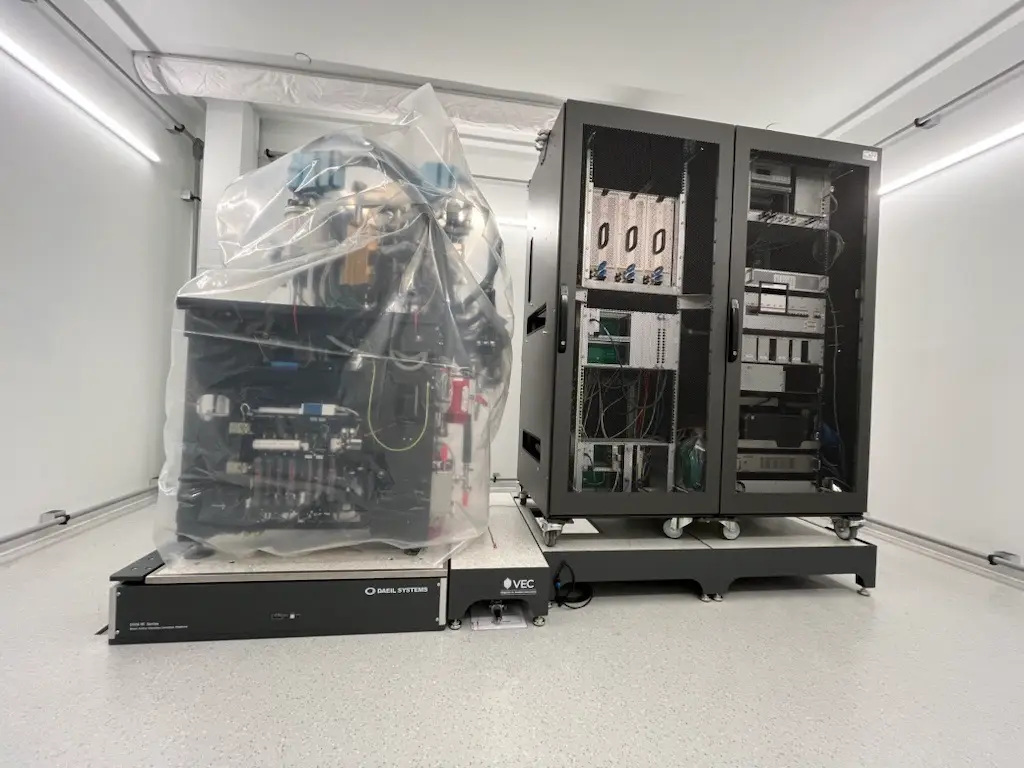
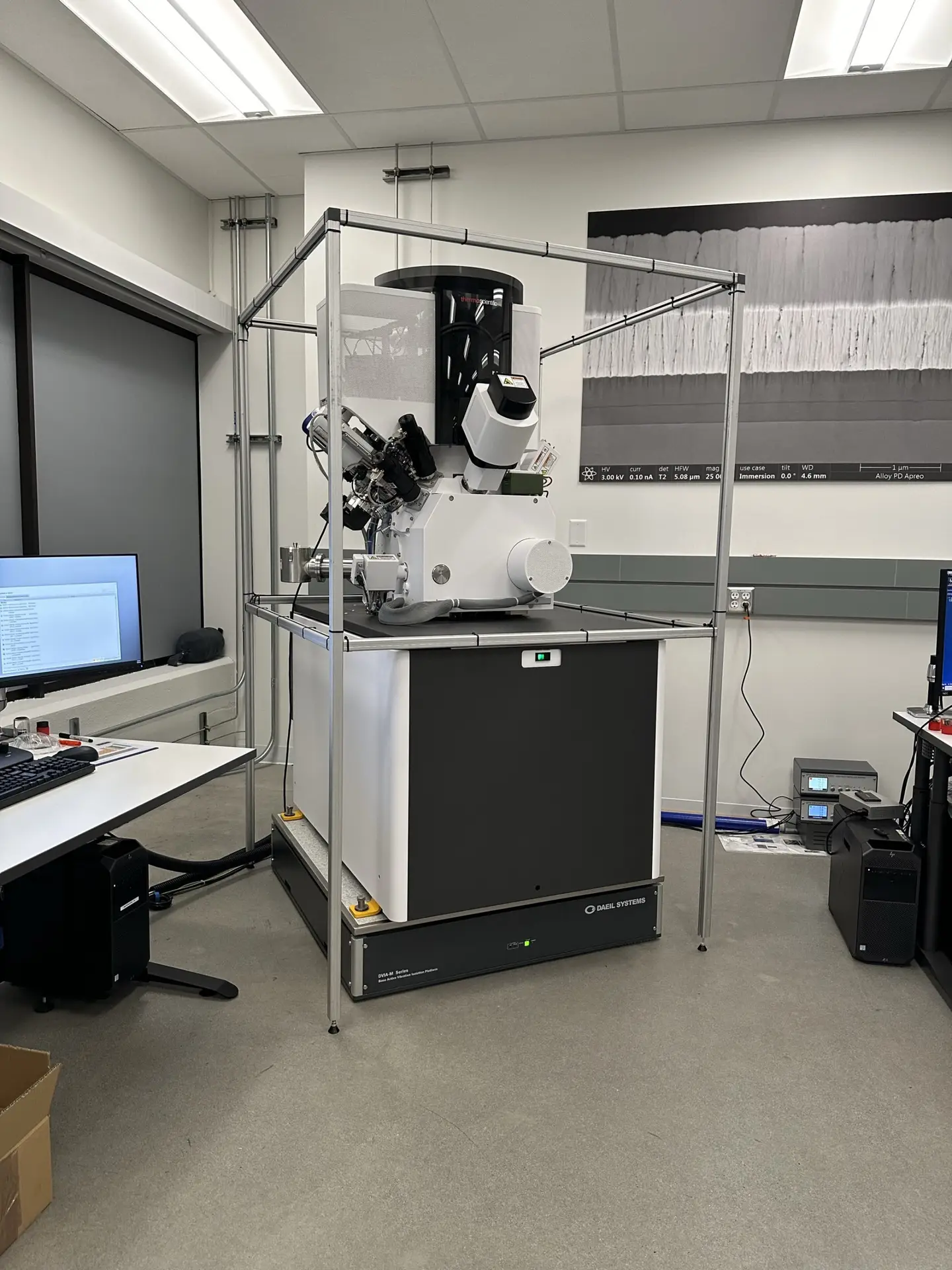
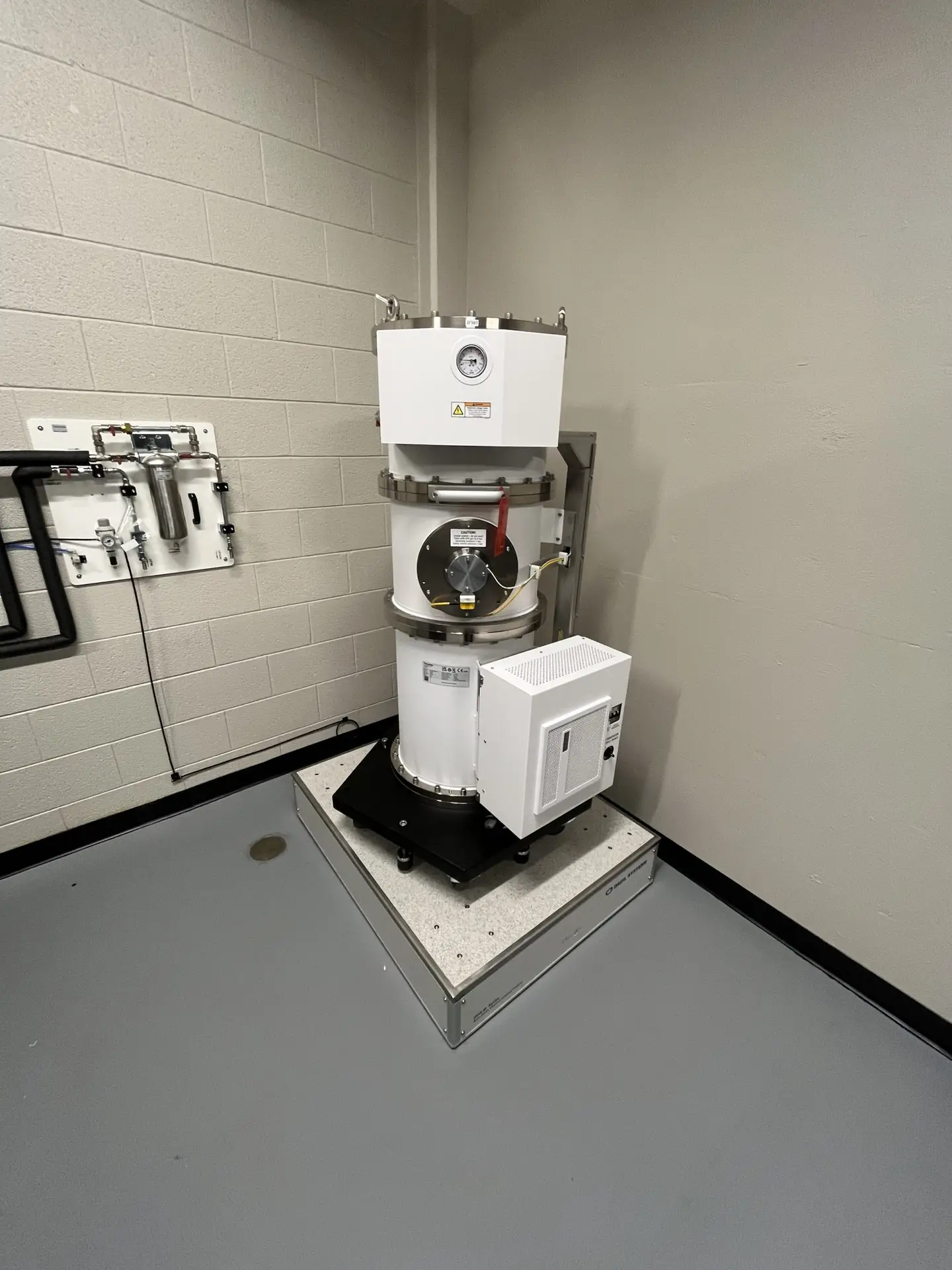
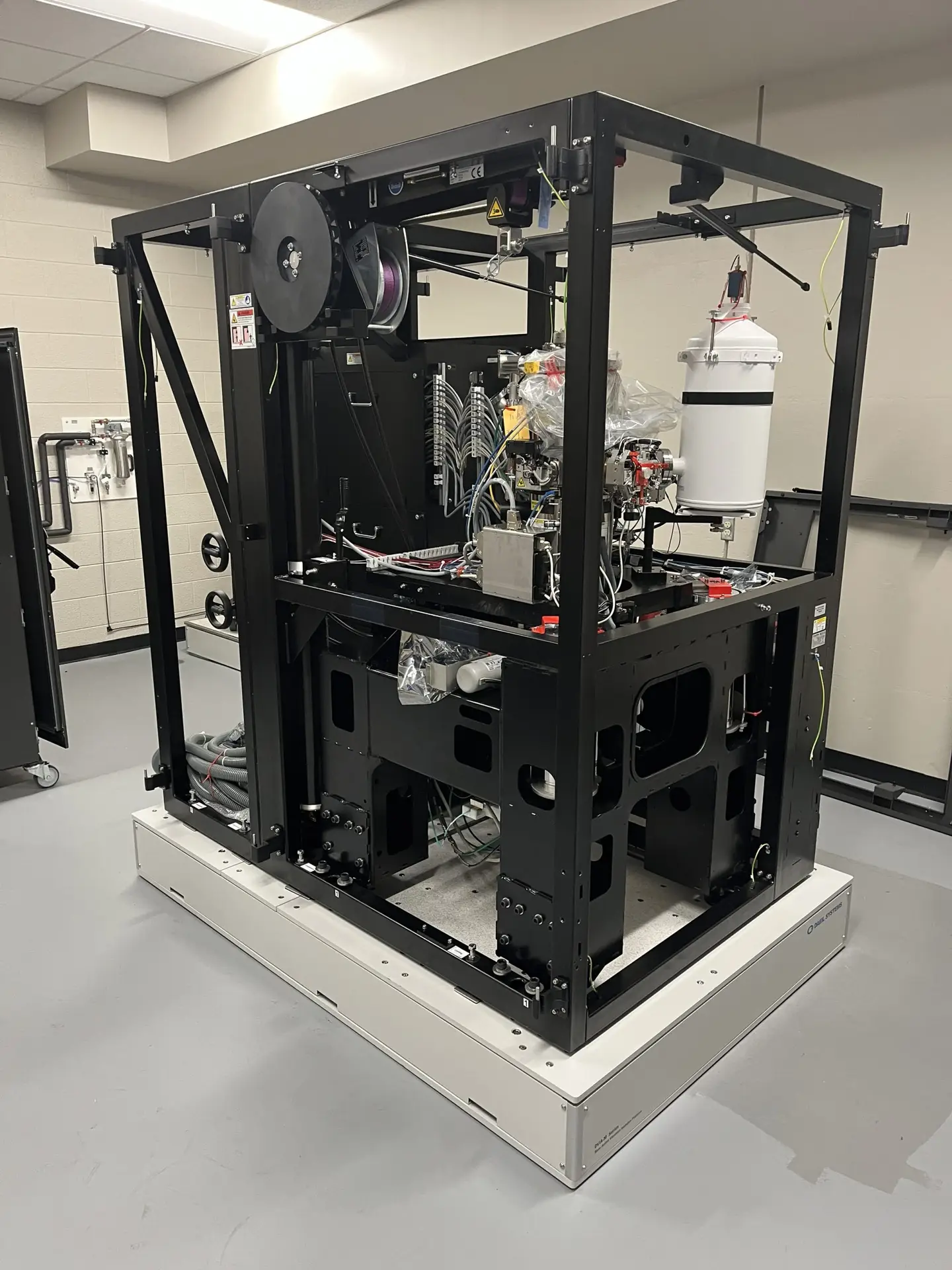
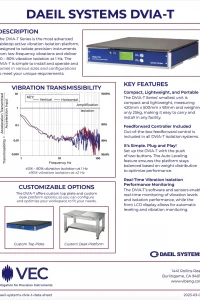
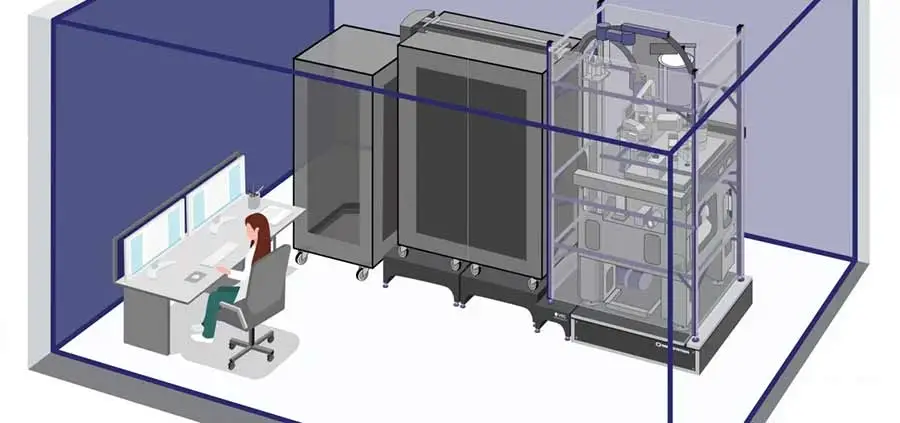
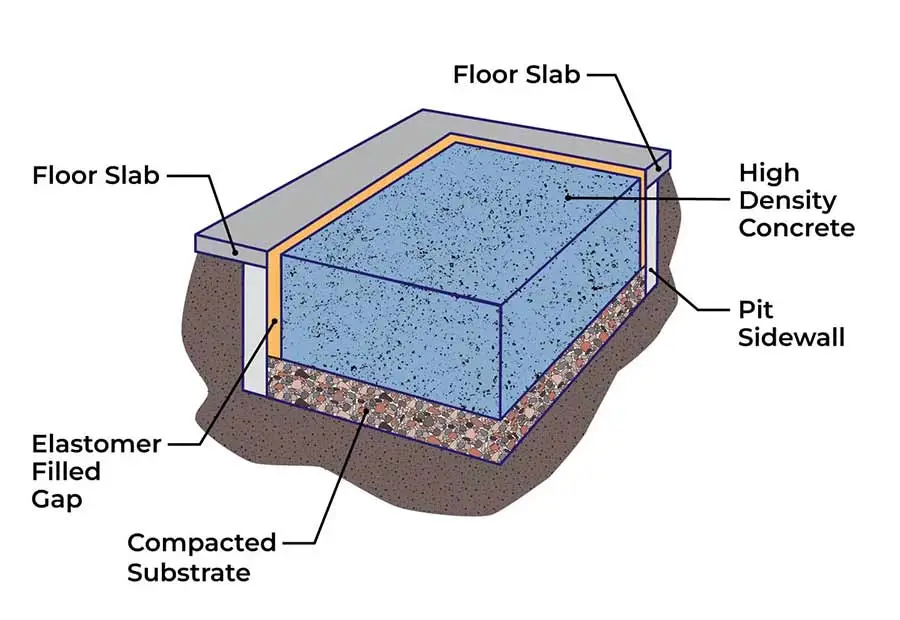
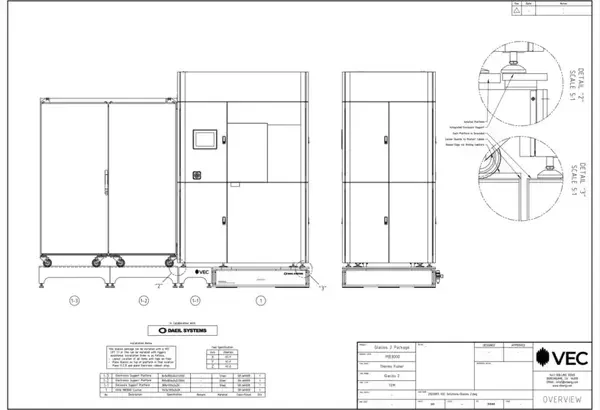
We customize solutions to your unique requirements, considering facility vibration, tool weight, footprint, center of mass, and internal operations. After reviewing the data, we will design a tailored solution, incorporating pedestals for raised floors, seismic restraints, and non-isolated platforms for ancillary equipment and enclosures as needed.

20230811-VEC-Solutions-Glacios-2-MB3000_01192422-scaled-qlk13ycui7o1o8ikkdmvmi14l8hwcau3bz02a1y6be_600w

Out-of-the-Box Feed Forward Control

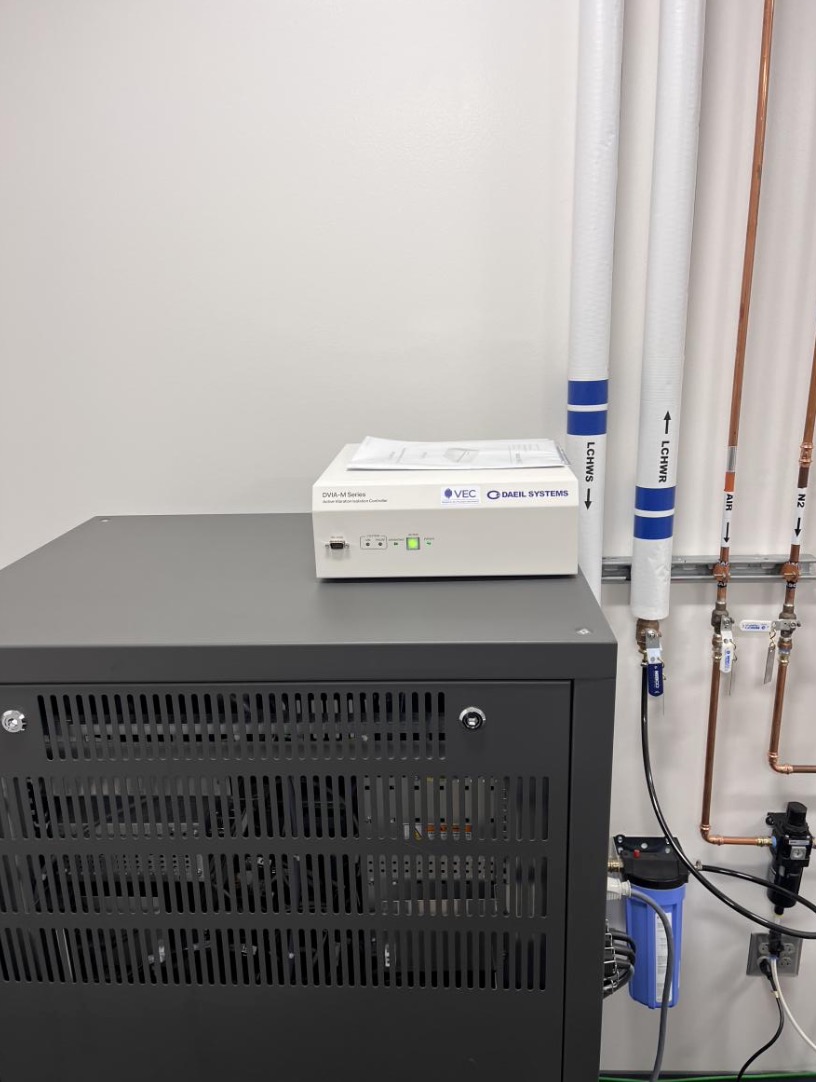
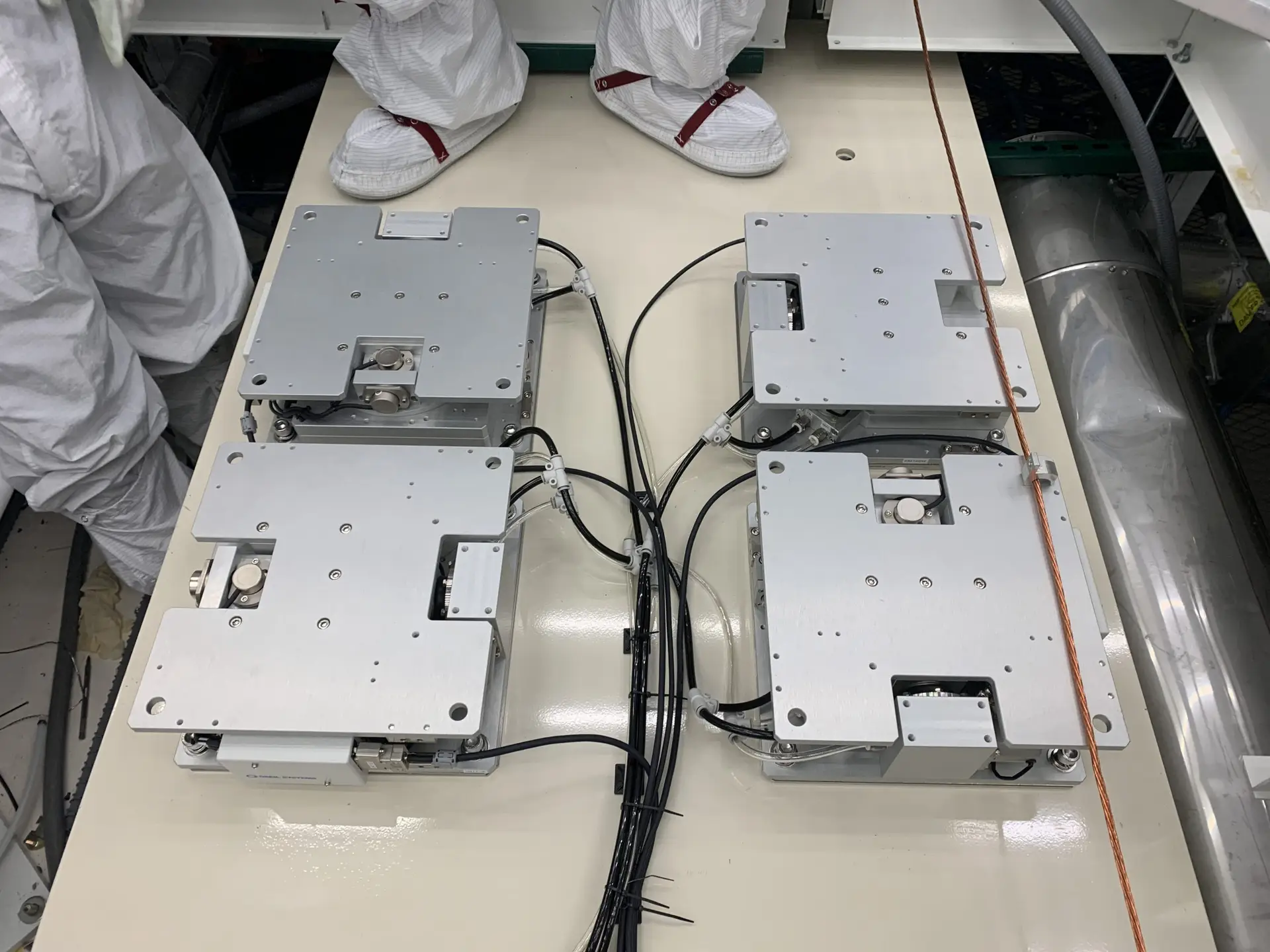
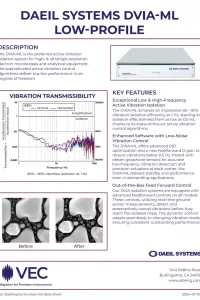
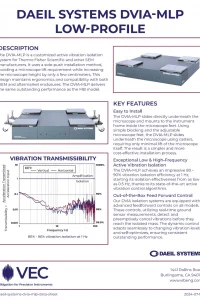
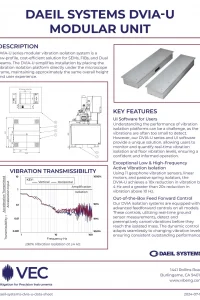
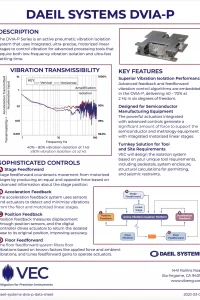
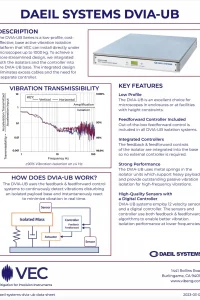
DVIA active isolation systems come equipped with feedforward controls on all models. These controls use real-time ground sensor measurements to detect and preemptively cancel vibrations before reaching the isolated mass. The dynamic control adapts seamlessly to changing vibration levels and self-optimizes, ensuring consistent outstanding performance.

More Resistant to Variations in Floor Stiffness

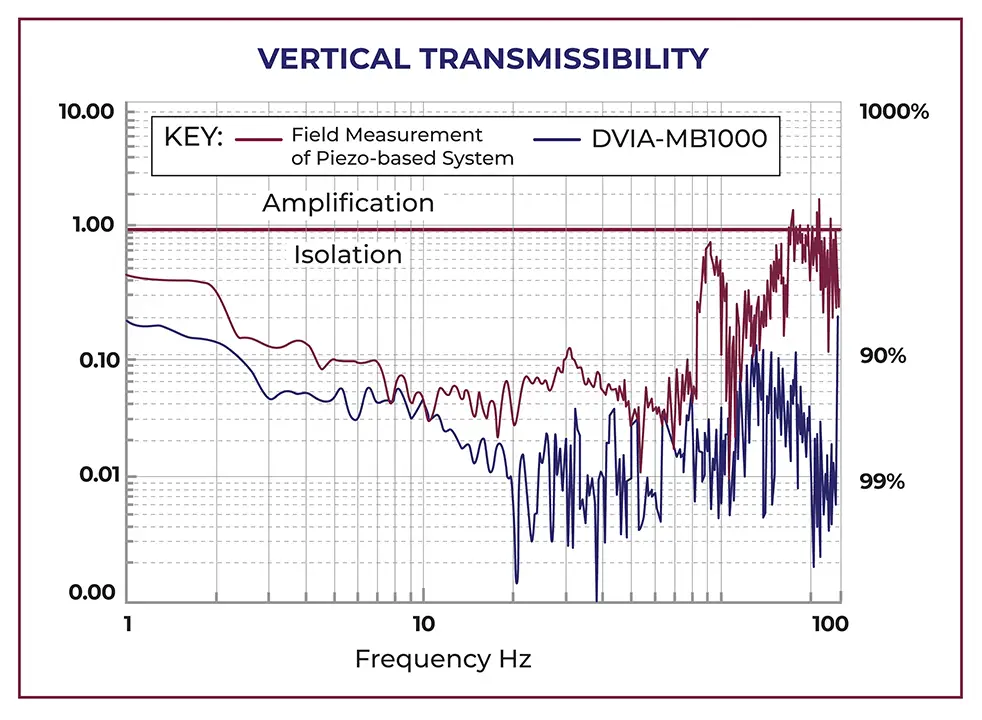
Feedforward controls and passive component design depend less on floor stiffness than piezoelectric systems. As a result, VEC can install a DVIA active vibration isolation system on any building floor and most floor surfaces, unlike other options on the market.

Active Vibration Isolation in All Six Degrees of Freedom

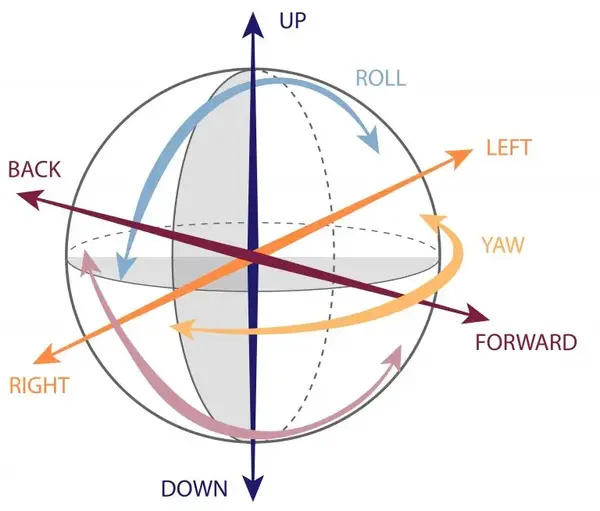
All DVIA Systems control vibrations in three translational degrees of motion (X, Y, and Z) and three rotational degrees of motion (pitch, roll, and yaw.)

On-Site Optimization for Better Performance

Vibration levels vary based on location, sources, and other factors. Our engineer optimizes the feedback and feedforward control systems for optimal vibration isolation performance based on instrument size, weight, and your site's vibration characteristics.

VEC-Library-4498-1-scaled-600w

Turnkey
Solutions

Turnkey Solutions

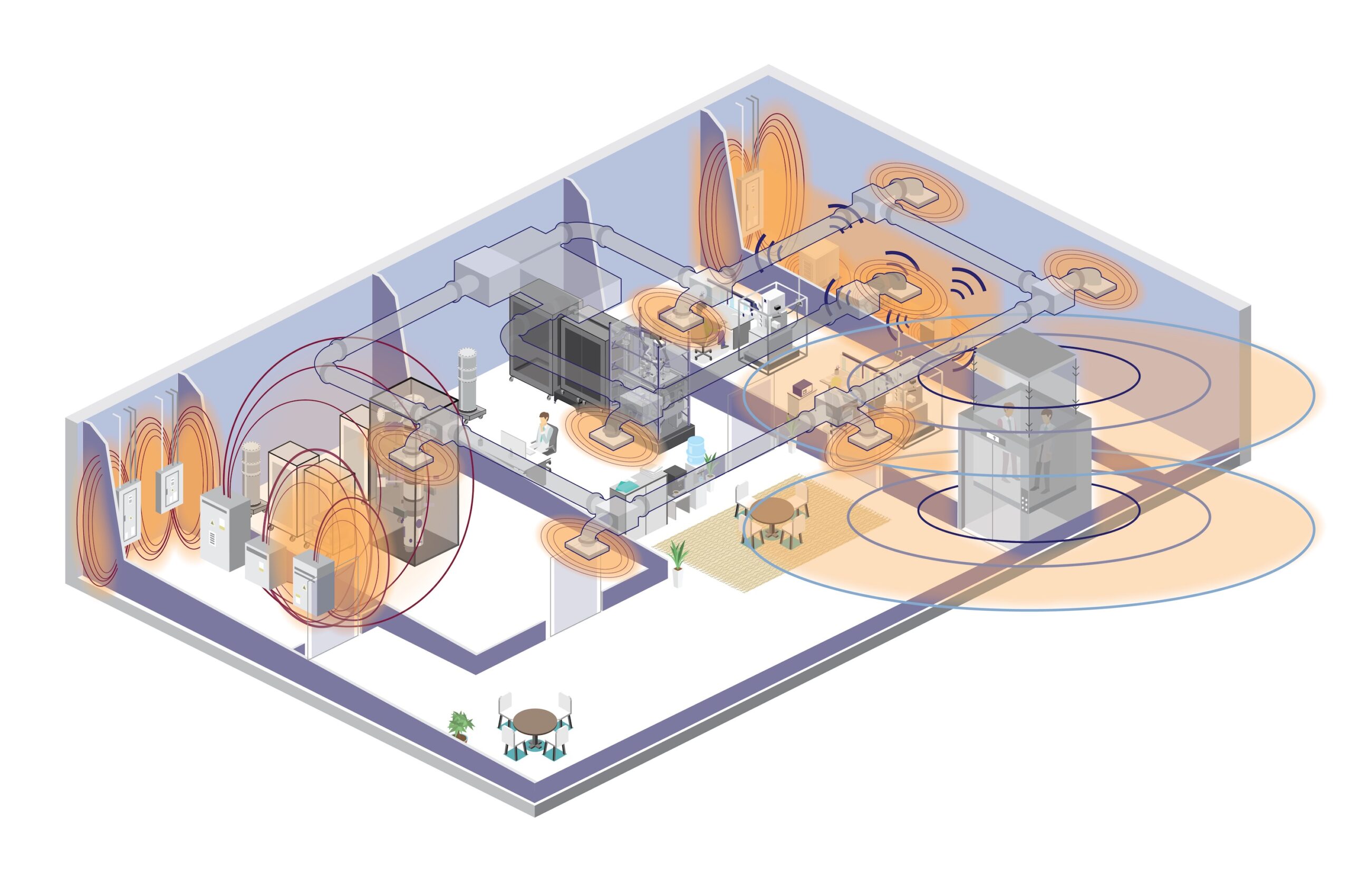
VEC delivers turnkey solutions for vibration isolation, magnetic field cancellation, and acoustic abatement for your laboratory. You get expert guidance in product selection, transparent design, on-site installation, and post-sale support for sustained performance with us.

Product_Selection_Reverse_W
Product Selection

VEC reviews instrument specifications, site testing data, and facility layout to select the product most suitable for your requirements.

Design_Reverse_W
Design

VEC provides design documents based on instrument footprint, product details, and project drawings to communicate the proposed solution before purchase. Seismic calculations and stamped structural drawings are available as needed.

Production_Reverse_W
Production

VEC ensures production accuracy based on the design and will keep project members abreast of timelines and delivery details.

Stakeholder_Coordination_Reverse_W
Stakeholder Coordination

VEC strives to clearly coordinate with the many project stakeholders, including architects, facilities, contractors, and equipment manufacturers.

Installation_Reverse_W
Installation

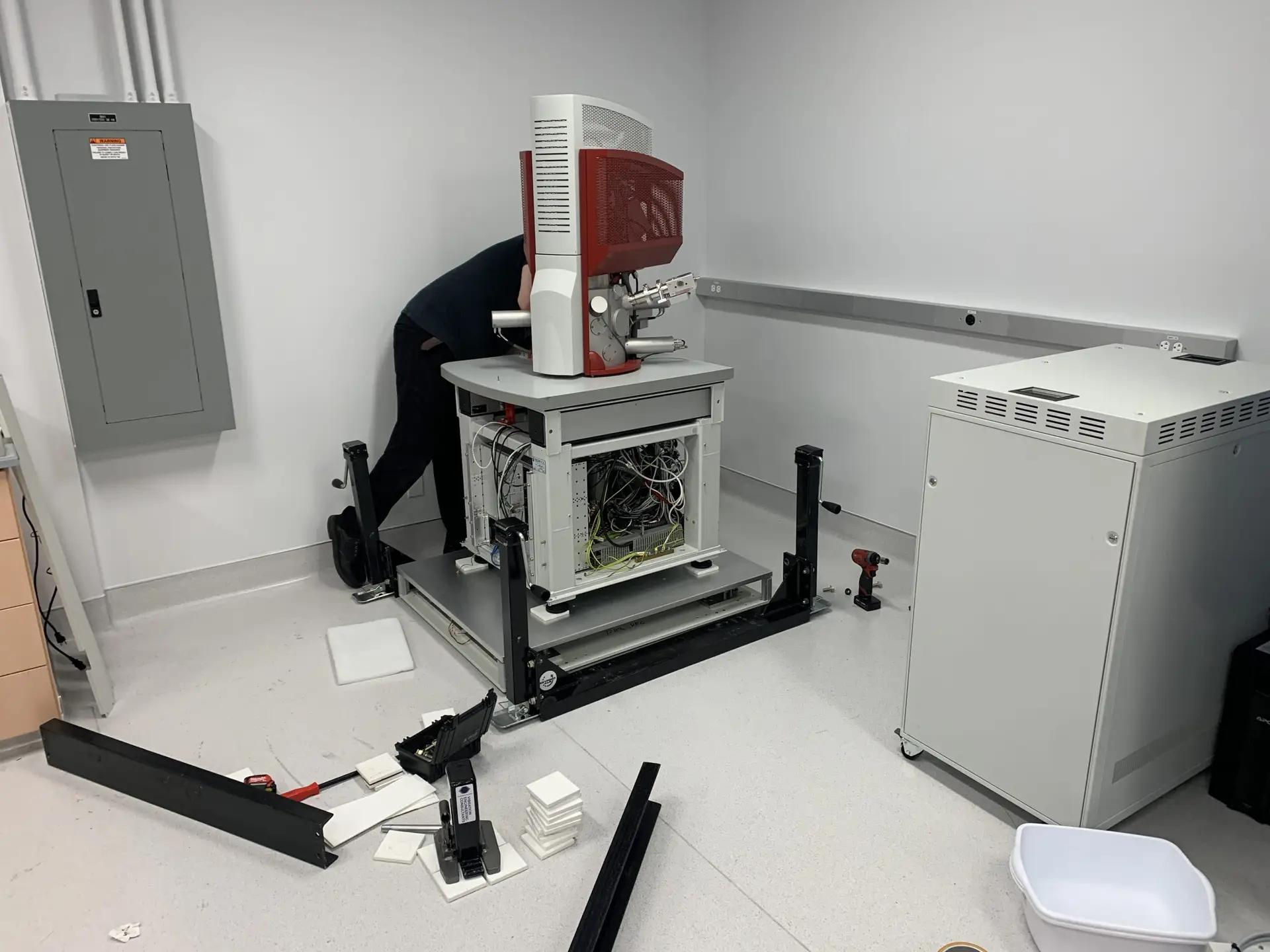
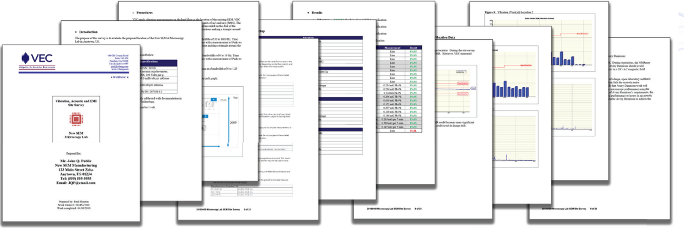
VEC engineers will provide on-site installation services to ensure your systems' proper installation and performance. VEC provides installation reports documenting the installation and system performance.

Support_Reverse_W
Support
VEC stands behind its products and performance beyond the sale and installation, and engineers are available for support as needed.
Downloads & Videos

Industry Leading Active Vibration Isolation

Technical Blogs & Case Studies

Let’s get in touch

Send Us a Message

Product Pages Contact Form
How can we help you? Check all that apply

Active Vibration Isolation:

How It Works, Why It Matters, and When You Need It

What Is Active Vibration Isolation?

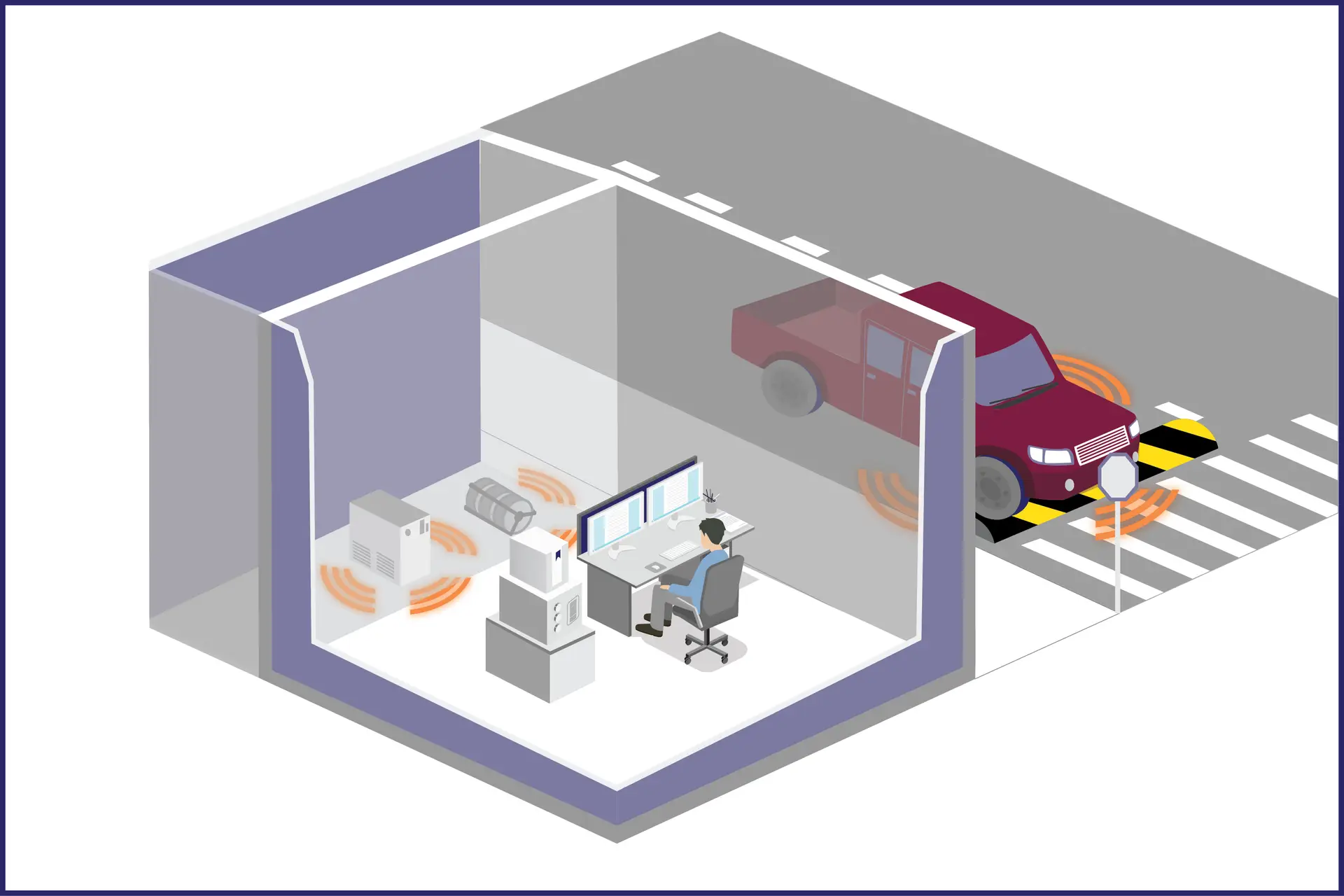
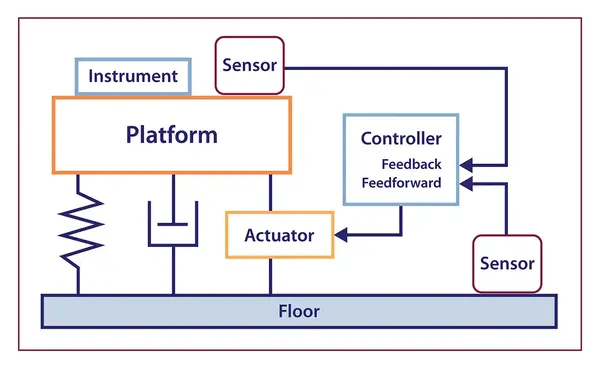
Active vibration isolation is a precision engineering solution designed to detect and cancel vibration in real time using sensors, control systems, and actuators.


Unlike passive isolation, which relies on mechanical elements like springs and dampers to absorb vibration, active systems measure incoming vibration and generate an equal and opposite force to cancel it.


This ability to actively counteract vibration makes these systems essential in environments where even nanometer-level motion can compromise performance—including electron microscopy, semiconductor manufacturing, and advanced metrology.

How Active Vibration Isolation Systems Work
At a high level, active vibration isolation systems operate as a closed-loop control system:

1. Sensors Detect Vibration

High-resolution sensors (accelerometers, geophones, or interferometers) continuously measure motion in six degrees of freedom:

    • X, Y, Z (translation)
    • Pitch, Roll, Yaw (rotation)

2. Controller Processes the Signal

A digital controller analyzes vibration data in real time and determines the appropriate corrective response.


3. Actuators Cancel the Motion

Electromagnetic or piezoelectric actuators generate a force that is equal and opposite to the disturbance, effectively canceling vibration before it reaches sensitive equipment.


4. Continuous Feedback Loop

The system constantly updates itself, adapting to changing vibration conditions such as foot traffic, HVAC systems, nearby equipment, or structural resonance. The DVIA uses both feedback and feedforward controls.

Why Active Vibration Isolation Is Critical

Superior Low-Frequency Performance

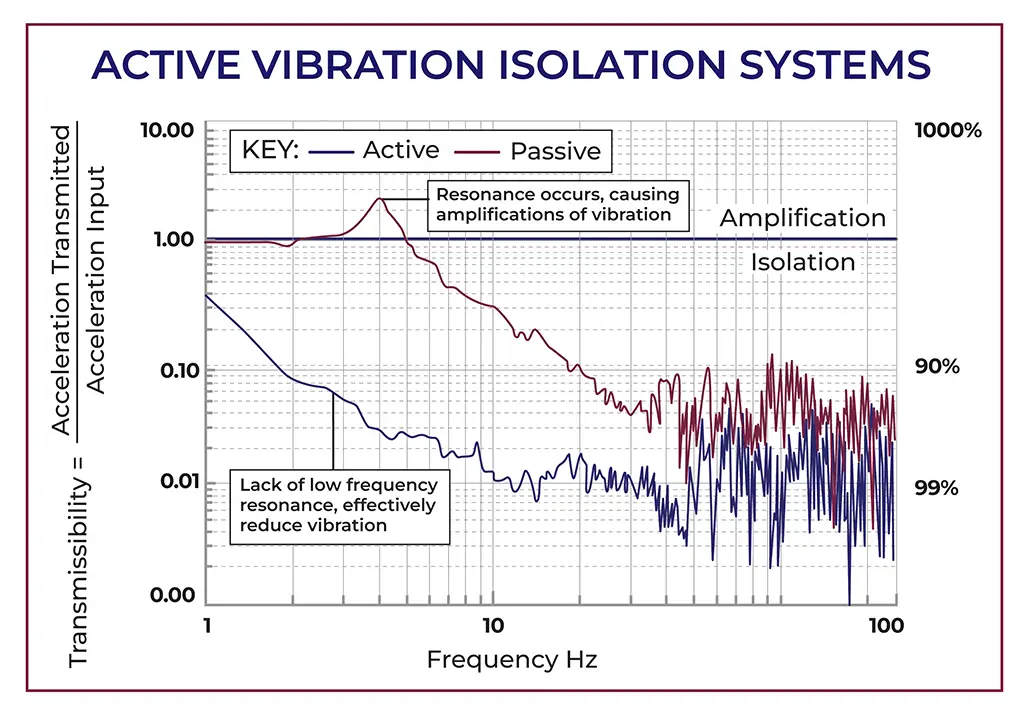
Passive systems struggle with low-frequency vibration (typically below ~10 Hz) due to resonance effects. Active systems overcome this by actively controlling motion—even down to sub-Hz frequencies.


Real-Time Adaptability

Active systems respond dynamically to environmental changes, making them ideal for facilities with variable or unpredictable vibration sources.


Multi-Axis Control

By isolating motion across all axes, active systems ensure uniform performance, which is critical for high-resolution imaging and fabrication processes.


Improved Equipment Performance

Vibration directly impacts:

    • Imaging resolution
    • Measurement accuracy
    • Yield in semiconductor processes
    • Tool uptime and stability


Active vibration isolation ensures that high-value equipment performs to its full specification.

Active vs Passive Vibration Isolation

Understanding the difference is essential when selecting the right solution:

Feature Passive Isolation Active Vibration Isolation
Method Absorbs Vibration Cancels Vibration
Components Springs + Dampers Sensors + Controller + Actuators
Low-Frequency Performance Limited (Resonance Issues) Excellent (sub-Hz capable) for Top-of-the-Line Systems
Adaptability Fixed Response Real-Time Adaptive
Complexity Simple Advanced Control System

Passive systems are effective for many applications, particularly at higher frequencies, but active vibration isolation is required when precision demands exceed passive limits.

Applications of Active Vibration Isolation

Active vibration isolation is essential in environments where vibration directly impacts performance:

Electron Microscopy

Transmission and scanning electron microscopes require extreme stability to achieve nanoscale resolution.

Semiconductor Manufacturing

As device geometries shrink below nanometer scales, vibration tolerance becomes increasingly strict.

Nanotechnology and Metrology

Precision measurement tools rely on stable platforms to ensure repeatable and accurate results.

Advanced Research Facilities

Labs working with quantum systems, optics, or sensitive instrumentation depend on active isolation to maintain experimental integrity.

When Do You Need Active Vibration Isolation?

You likely need active vibration isolation if:


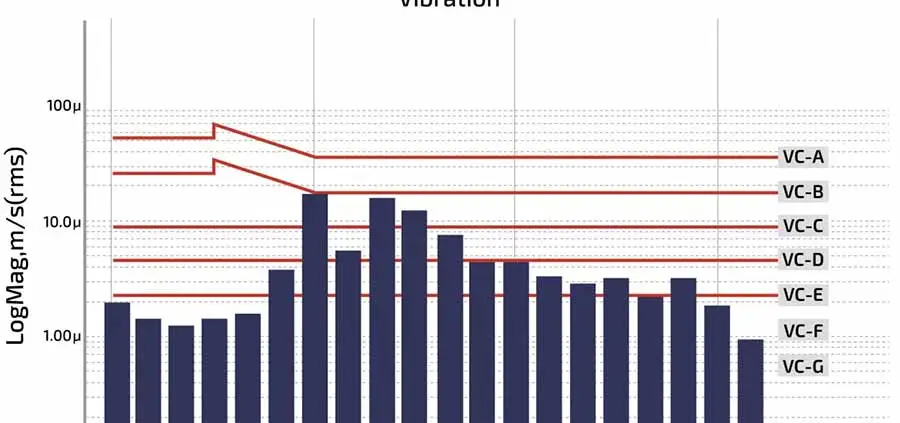
  • Your equipment specification includes strict vibration criteria (VC curves)
  • You are experiencing low-frequency building vibration
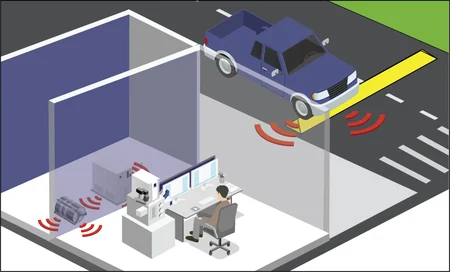
  • Your facility has external vibration sources (traffic, rail, HVAC, nearby equipment)
  • Your tool performance is inconsistent despite passive isolation
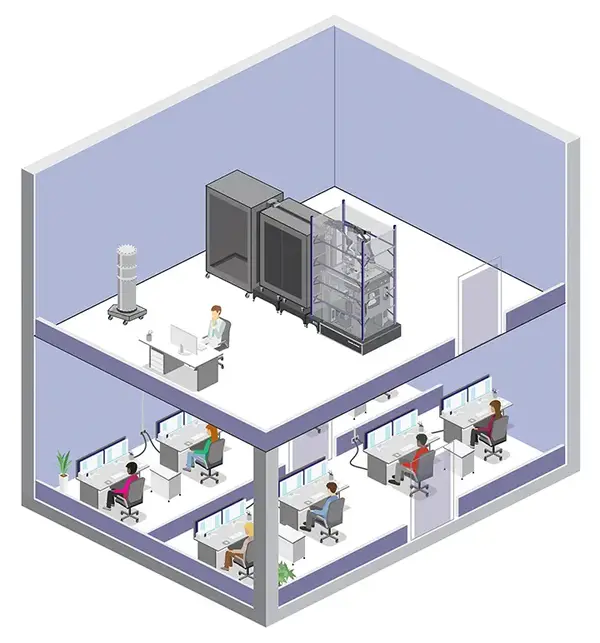
  • You are installing equipment in upper floors or non-ideal environments


In many cases, passive systems appear sufficient on paper—but fail in real-world environments where low-frequency vibration dominates.

The VEC Approach to Active Vibration Isolation

At VEC, active vibration isolation is part of a complete engineering solution.


Data-Driven Engineering

We begin with detailed site characterization to quantify vibration sources and risks.


Application-Specific Solutions

No two environments are the same. We design isolation strategies tailored to your equipment, facility, and performance requirements.

Integrated Mitigation Strategy

Active vibration isolation is often combined with:

  • Structural modifications
  • Passive isolation elements
  • Acoustic and EMI mitigation


Performance Assurance

Our goal is simple: ensure your equipment performs to specification—on day one and long-term.

Why Active Vibration Isolation Is a Strategic Investment

Active vibration isolation is not just about solving a technical problem—it is about protecting your investment.


Without proper isolation, you risk:

  • Failed site acceptance
  • Reduced tool performance
  • Lower yield and productivity
  • Costly retrofits


With the right solution, you gain:

  • Predictable performance
  • Faster installations
  • Reduced operational risk
  • Long-term cost savings

Active vibration isolation, such as the DVIA systems, represents the highest level of vibration control available today. By combining real-time sensing, intelligent control, and precision actuation, these systems enable modern technology to operate at the limits of physics.

If your application depends on precision, stability, and repeatability, active vibration isolation is essential, and VEC is here to ensure your tools meet specs and operate successfully.